
What Is Trenchless Pipe Repair? A Homeowner’s Guide
May 25, 2022
October 4, 2026
Most homeowners don’t think about their main sewer line until something goes wrong. When a backup, recurring clog, or slow drain develops, one of the first things a plumber may look for is the sewer cleanout.
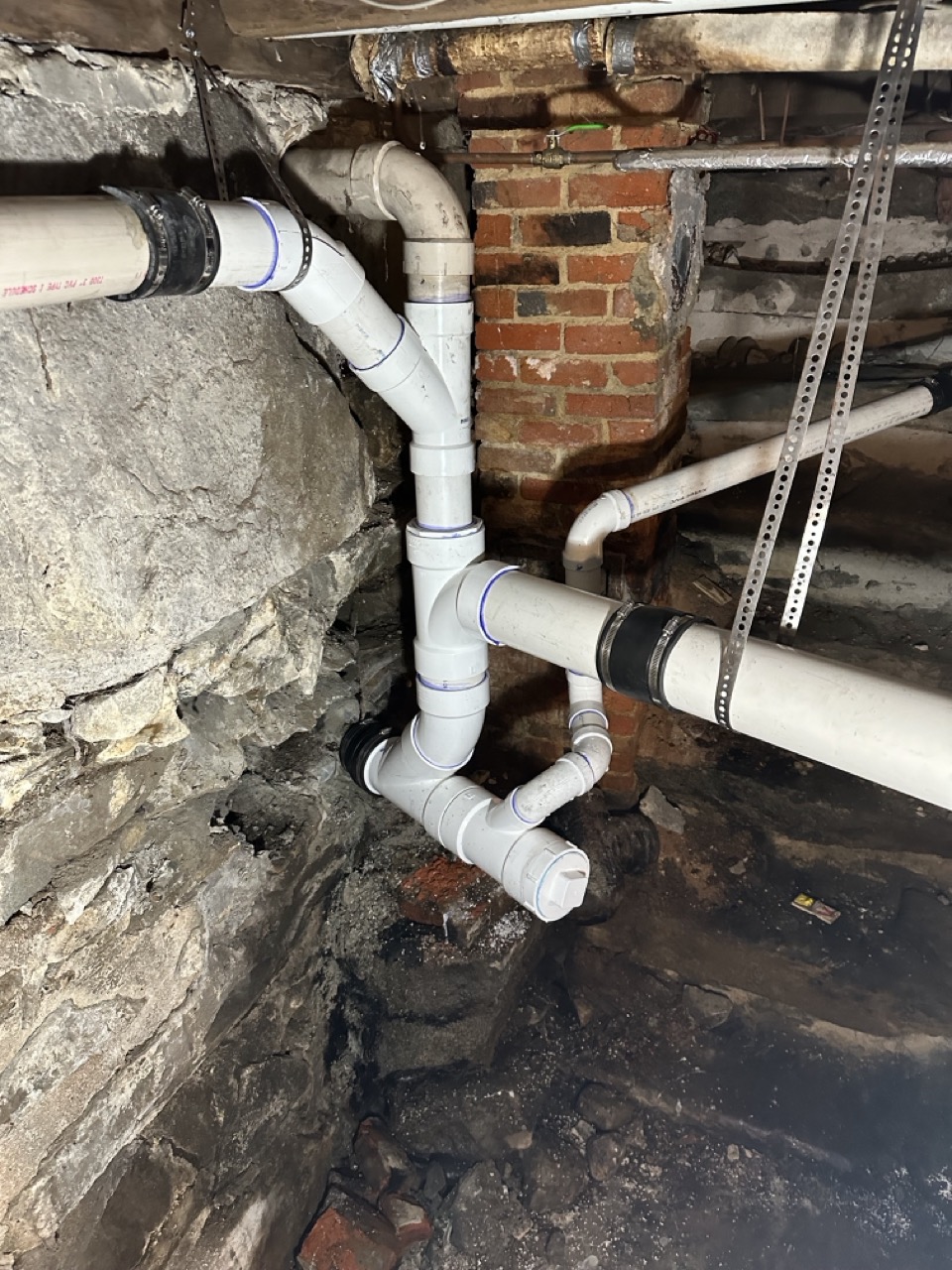
A sewer cleanout is an access point that provides a direct opening into a building’s drainage or sewer piping. It is typically capped when not in use and may be located inside a basement, crawl space, garage, or utility area—or outside the building near the foundation or elsewhere along the sewer line.
Having an accessible cleanout can make diagnosing and servicing a sewer problem significantly easier.
The cleanout gives a plumber access to the drainage system without having to remove a toilet or access the piping through another fixture.
Depending on the plumbing system and cleanout location, it may be used to run drain-cleaning equipment, perform high-pressure sewer jetting, insert a sewer camera, or access portions of the line for further diagnosis.
For example, if a home is experiencing repeated main-line backups, a camera can often be introduced through the cleanout to inspect the interior of the pipe for roots, buildup, deterioration, offsets, damaged sections, or other conditions that may be contributing to the problem.
A cleanout is only useful if it can actually be accessed.
Cleanouts can sometimes become buried beneath landscaping, covered during renovations, concealed behind finished walls, or otherwise difficult to locate. Older plumbing systems may also have limited cleanout access compared with newer installations.
The location and orientation of a cleanout can also affect which portions of the drainage system can be reached.
A properly located and accessible sewer cleanout gives your plumber a direct route into the system—making it easier to clean, inspect, and diagnose problems within the line.
Not having an accessible cleanout doesn't necessarily mean a sewer line can't be serviced. Other access points may sometimes be available, including removing a toilet or accessing the drainage system from another suitable location.
However, those alternatives may require additional work and may not provide the same access to the section of piping that needs to be inspected or cleaned.
In some situations, installing a new cleanout may make sense, particularly when a sewer line experiences recurring problems or existing access is inadequate.
A cleanout can be especially useful when dealing with multiple fixtures backing up, recurring main-drain clogs, slow drainage throughout the property, sewer odors, root intrusion, or a suspected problem with an underground sewer line.
It can also provide valuable access for preventative or diagnostic work. A sewer camera inspection, for example, can help determine whether a recurring blockage is simply buildup that needs to be cleaned or a symptom of a larger problem within the pipe.
The important distinction is that clearing a blockage and determining why the blockage occurred are not always the same thing.
Use caution.
If the sewer line is backed up, wastewater may be sitting under pressure behind the cleanout cap. Removing the cap can release sewage unexpectedly, particularly from a low cleanout or one located downstream of backed-up fixtures.
If you suspect the main sewer line is blocked—especially if multiple fixtures are backing up—avoid continuing to run water and consider having the system evaluated before opening the cleanout.
A sewer cleanout isn't complicated, but having one in the right location can make sewer service considerably more straightforward.
If you're experiencing recurring backups or drainage problems, locating the cleanout is often one of the first steps toward determining what is happening inside the sewer line. From there, drain cleaning, sewer jetting, camera inspection, and pipe locating can be used as appropriate to identify and address the underlying problem.
At The Plumah Plumbing & Drain Services, we believe in finding the cause of recurring drain and sewer problems—not simply treating the symptom.