
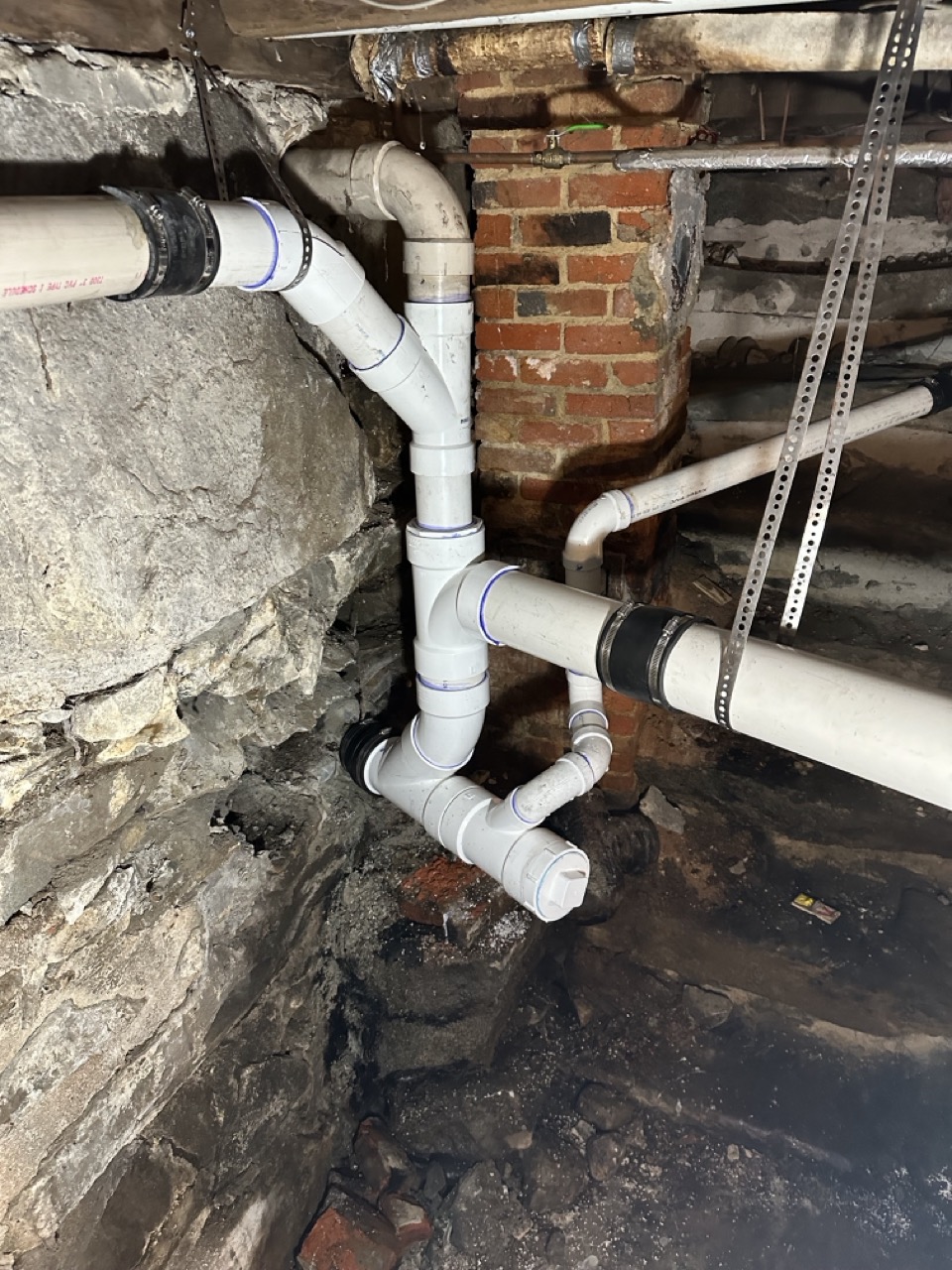
What Is a Sewer Cleanout & Why Does It Matter?
May 25, 2022
October 4, 2026
Your plumbing system works behind the scenes every day, and most of the time it doesn’t get much attention until something stops working. While not every plumbing problem can be prevented, a few simple habits can help reduce unnecessary clogs, leaks, backups, and damage.
Knowing what should—and shouldn’t—go through your plumbing is one of the easiest places to start.
Your drains are designed to carry wastewater, not dispose of everything that fits through the opening.
Cooking grease, fats, oils, food scraps, coffee grounds, and similar materials can collect inside drain piping over time. Even when grease is poured down the sink as a hot liquid, it can cool and contribute to buildup farther along the drainage system.
Bathroom drains have their own challenges. Hair, soap residue, personal-care products, and other debris can gradually restrict flow and contribute to recurring clogs.
Keeping these materials out of the drainage system whenever possible can help reduce buildup before it becomes a larger problem.
Generally, toilets should be used for human waste and toilet paper.
Wipes, paper towels, feminine hygiene products, cotton swabs, dental floss, and other household products should be disposed of in the trash rather than flushed.
Products marketed as “flushable” can be especially confusing. A product being capable of passing through a toilet does not necessarily mean it will break down or move through the entire drainage and sewer system as readily as toilet paper.
One of the simplest ways to protect your plumbing is to pay attention to what you’re asking your pipes to carry.
An occasional clog can happen. A drain that repeatedly becomes slow or clogged deserves more attention.
Recurring problems can indicate buildup deeper in the line, root intrusion, deteriorated piping, improper drainage, or another issue that simply clearing the immediate blockage may not solve.
The same applies when multiple fixtures begin draining slowly at the same time. If sinks, tubs, showers, or toilets throughout the property are affected, the problem may be farther downstream in the drainage system or main sewer line.
Professional drain cleaning, sewer jetting, and camera inspection can help determine whether you're dealing with a routine blockage or something more significant.
A broken water line or failed fixture can release a surprising amount of water in a short period of time.
Every homeowner should know where the property's main water shutoff valve is located and how to operate it before an emergency occurs.
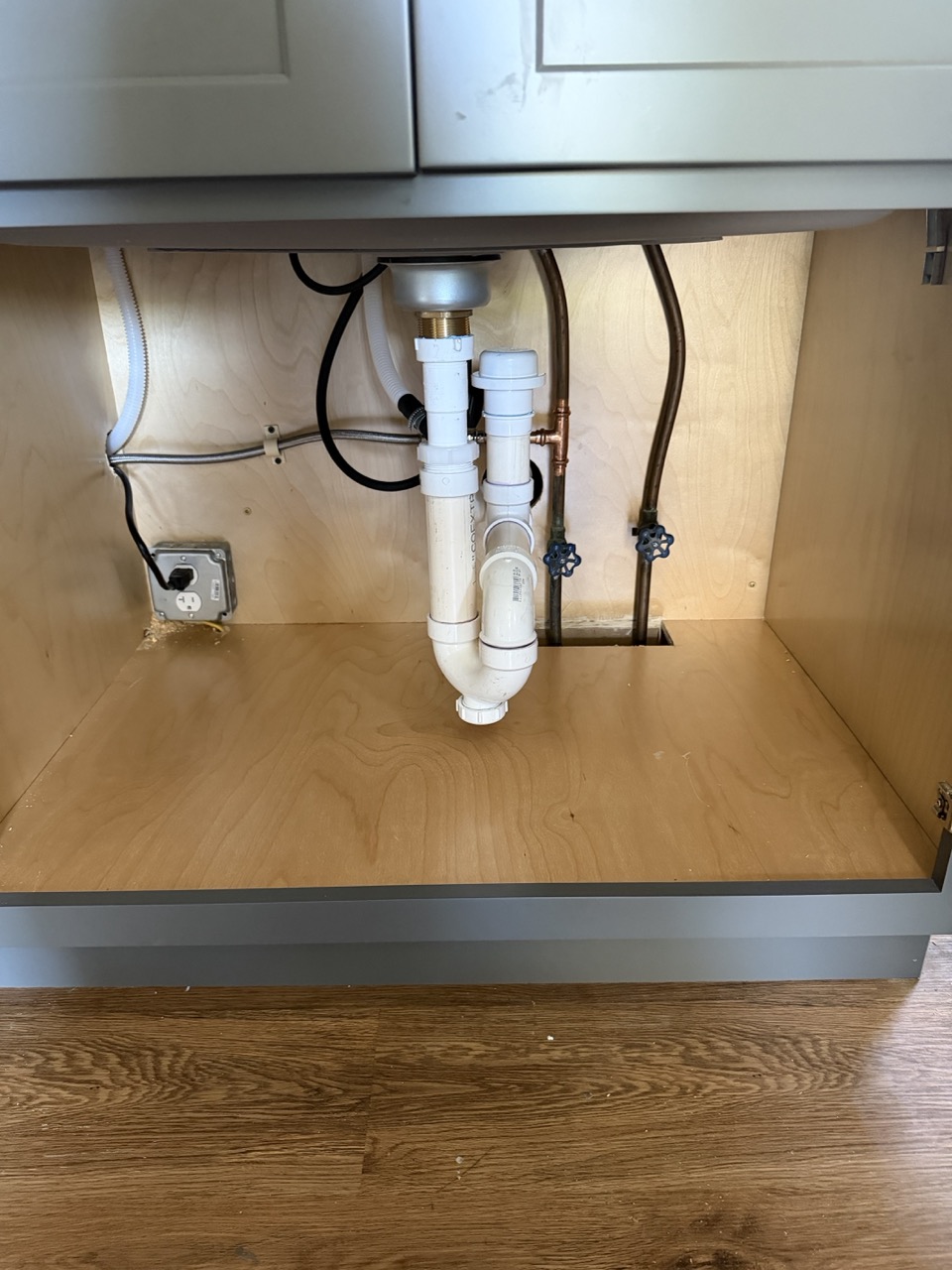
It is also helpful to know where individual fixture shutoffs are located beneath sinks and behind toilets. If a toilet supply line or faucet develops a serious leak, shutting off that individual fixture may allow you to stop the water without shutting down the entire building.
Finding these valves for the first time while water is actively leaking is not ideal.
Higher water pressure isn't always better.
Excessive pressure can place additional stress on supply piping, valves, fixture connections, appliance hoses, and other components of the plumbing system. Unusually low pressure can also indicate a problem that deserves investigation.
If the water pressure throughout your home suddenly changes—or you notice banging, leaking fixtures, or repeated plumbing failures—it may be worth having the system pressure checked rather than assuming the individual fixture is the only problem.
Water heaters shouldn't be completely forgotten once they're installed.
Maintenance requirements vary by the type of water heater and manufacturer. Tank-style heaters may require inspection of components such as the anode rod and periodic maintenance based on water conditions and manufacturer recommendations. Tankless systems can require flushing or descaling, particularly where mineral buildup is a concern.
Following the manufacturer's maintenance schedule can help keep the equipment operating properly and may also be important to warranty requirements.
Here in Rhode Island, freezing temperatures make winter plumbing protection especially important.
Water expands when it freezes, which can damage exposed or insufficiently protected piping. Outdoor hose connections, piping in unheated spaces, and water lines near exterior walls can be particularly vulnerable.
Before freezing weather arrives, disconnect outdoor hoses, address known drafts or poorly insulated areas, and make sure vulnerable piping is appropriately protected.
If a pipe does freeze, don't use an open flame to thaw it.
A dripping fixture, staining beneath a sink, an occasional sewer odor, a toilet that continually runs, or a drain that keeps slowing down may seem minor at first.
Sometimes the solution really is simple. Other times, those symptoms are the first indication of a developing problem.
Paying attention to changes in your plumbing system gives you an opportunity to investigate them before they potentially turn into a leak, backup, or more extensive repair.
You don't need to become a plumber to take better care of your plumbing.
Use your drains appropriately, know where your shutoffs are, pay attention to changes in water pressure and drainage, follow equipment maintenance recommendations, and don't repeatedly ignore the same problem.
And when a problem keeps coming back, finding out why it's happening is usually more valuable than simply clearing it again.
At The Plumah Plumbing & Drain Services, we can help diagnose, maintain, and repair plumbing, drain, and water systems throughout Rhode Island—so you can keep things flowing the way they're supposed to.